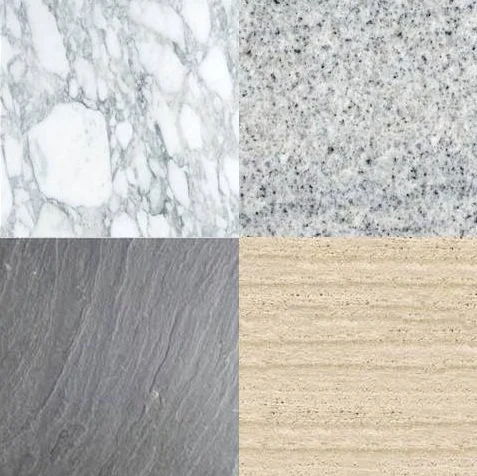
Common Mistakes That Damage Natural Stone Floors
Natural stone floors are known for their durability, beauty, and long service life. Marble, granite, slate, terrazzo, and other stone surfaces can remain attractive for many years when they are properly cared for.
However, even durable flooring can be damaged by improper cleaning, harsh chemicals, abrasive tools, and neglected maintenance. Some mistakes may seem harmless at first but can gradually dull the surface, leave scratches, contribute to staining, or make professional restoration more difficult.
Knowing what to avoid is an important part of protecting your flooring investment.
1. Using the Wrong Cleaning Products
One of the most common mistakes is assuming that any household floor cleaner is suitable for natural stone.
Some cleaning products contain acids, strong chemicals, or other ingredients that may affect certain stone surfaces or their finishes. This is particularly important for acid-sensitive materials such as marble and limestone.
Before using a cleaning product, make sure it is appropriate for the specific flooring material and finish.
When in doubt, follow the manufacturer's recommendations or consult a flooring professional.
2. Using Abrasive Tools
Natural stone may be durable, but that does not mean every cleaning tool is safe to use on it.
Steel wool, abrasive scouring pads, rough brushes, and other aggressive tools can create scratches or affect the surface finish.
For routine cleaning, use appropriate, non-abrasive tools that will remove dirt without unnecessarily wearing the surface.
If a floor already has visible scratches or dull areas, aggressive scrubbing is unlikely to restore its original appearance. Professional honing or polishing may be more appropriate.
3. Allowing Dirt and Grit to Accumulate
Small particles of dirt and grit can become abrasive when repeatedly walked across a floor.
This is especially important in entrances, hallways, lobbies, and other high-traffic areas. Sand and other particles brought in from outside can gradually contribute to surface wear.
Regular sweeping, dust mopping, or vacuuming with suitable equipment can help remove these particles before they are repeatedly carried across the floor.
A good maintenance routine begins with keeping abrasive debris under control.
4. Ignoring Spills and Stains
Spills should not be left unattended, particularly on stone surfaces that may absorb liquids.
Depending on the type of stone and substance involved, a spill can result in staining or other surface problems if it is allowed to remain for too long.
Clean spills promptly using an appropriate cleaning method. Avoid aggressive scrubbing or experimenting with strong chemicals in an attempt to remove a stain.
If a stain remains after proper cleaning, professional stain treatment may be necessary.
5. Using Too Much Water
More water does not necessarily mean a cleaner floor.
Excessive moisture can create problems when water is allowed to remain on the surface or enter areas where it should not. Certain stone materials are also more porous than others.
When cleaning natural stone, use an appropriate amount of water and avoid leaving standing water on the floor.
Proper cleaning is about using the right method and amount of moisture—not simply using more.
6. Applying Wax or Coatings Without Knowing the Floor
Some property owners attempt to increase shine by applying waxes, coatings, or other products designed to create a surface film.
However, not every product is appropriate for every stone or finish. An unsuitable coating may change the appearance of the floor, create buildup, or interfere with future maintenance and restoration.
Natural stone polishing and finishing should be approached according to the material and its intended finish.
Before applying a new product to a stone floor, make sure it is compatible with the surface.
7. Treating Every Stone the Same Way
Marble is not granite. Granite is not slate. Slate is not terrazzo.
Different flooring materials have different physical characteristics and maintenance requirements. Even floors made from the same material may require different treatment depending on their finish, age, condition, and previous maintenance.
A cleaning method that works well for one surface may not be appropriate for another.
Understanding what type of flooring you have is the first step toward maintaining it properly.
8. Ignoring Early Signs of Wear
A floor rarely goes from perfect to severely damaged overnight.
Small signs of wear can appear gradually:
- Dull or hazy areas
- Loss of shine
- Fine scratches
- Uneven appearance
- Worn traffic paths
- Stains that no longer respond to routine cleaning
- Areas that look different after cleaning
These signs should not automatically be treated as a major restoration problem. However, they are worth monitoring.
Addressing surface wear early may help prevent a minor maintenance issue from developing into a more extensive restoration project.
9. Waiting Until the Floor Looks Severely Damaged
Another common mistake is treating professional maintenance as something that is only necessary when a floor is already badly worn.
Regular professional assessment and maintenance can help property owners understand the actual condition of their flooring and determine when polishing, honing, or deeper restoration may be appropriate.
This is particularly important for commercial properties where floors may experience heavy daily traffic.
Preventive maintenance can help preserve the appearance of customer-facing areas and reduce unexpected maintenance needs.
10. Attempting Difficult Restoration Without Professional Equipment
Routine cleaning is one thing. Restoring a damaged stone floor is another.
Deep scratches, extensive dullness, uneven surfaces, stains, etching, and worn finishes may require specialized equipment and techniques.
Professional restoration may involve processes such as:
1. Surface preparation
2. Grinding or honing
3. Polishing
4. Stain or anti-stain treatment when necessary
5. Sealing or appropriate finishing
The correct process depends on the flooring material and its condition.
Attempting to correct serious surface damage with household cleaning products or aggressive scrubbing can sometimes make the problem worse.
Good Maintenance Starts With Knowing What to Avoid
Protecting natural stone flooring does not necessarily require complicated daily routines. In many cases, good maintenance begins with avoiding practices that unnecessarily damage the surface.
Use appropriate cleaning products. Remove dirt and grit regularly. Address spills promptly. Avoid abrasive tools and unsuitable coatings. Most importantly, pay attention to changes in the appearance and condition of the floor.
When professional polishing or restoration is needed, the right treatment should be based on the actual condition of the surface rather than a one-size-fits-all approach.
Protect Your Flooring Investment
Marble, granite, slate, terrazzo, and other stone floors can provide years of service when properly maintained. Avoiding common maintenance mistakes can help preserve their appearance and reduce unnecessary wear.
If your floor has already developed scratches, dullness, stains, uneven wear, or other signs of deterioration, cleaning alone may no longer be enough.
Jadecrust Solutions Inc. provides professional floor polishing and surface restoration services for marble, granite, slate, terrazzo, concrete, and other flooring surfaces.
Whether your floor needs routine polishing or more extensive restoration, a professional assessment can help determine the appropriate approach for its condition.
Take care of your floor today—and help preserve its beauty for years to come.
