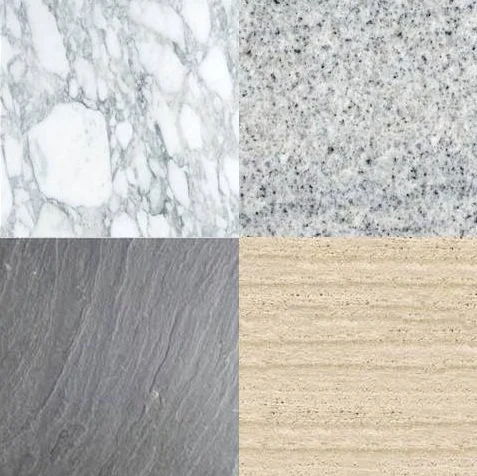
A Guide to Different Types of Flooring: Marble, Granite, Terrazzo, Concrete, and More
Choosing or maintaining a floor begins with understanding what it is made of.
Different flooring materials have different characteristics, strengths, maintenance requirements, and restoration methods. A cleaning or maintenance approach that works well for one type of floor may not be appropriate for another.
For property owners, facility managers, and homeowners, knowing the type of flooring installed in a building can make it easier to choose the right maintenance strategy and recognize when professional care may be needed.
At Jadecrust Solutions Inc., we work with a variety of flooring surfaces, including natural stone, terrazzo, and concrete. In this guide, we'll look at some of the most common flooring types and what makes each one unique.
1. Marble Flooring
Marble is one of the most recognizable natural stone flooring materials. Its distinctive veining, colors, and natural patterns give spaces an elegant and timeless appearance.
It is commonly found in residential interiors, hotels, commercial buildings, lobbies, offices, and other areas where appearance is important.
However, marble requires appropriate care. It can be affected by acidic substances and may develop scratches, etching, stains, or dull areas over time.
Depending on its condition and desired finish, marble floors may benefit from professional processes such as grinding, honing, polishing, and sealing.
Proper cleaning and regular maintenance can also help preserve its appearance between professional restoration services.
2. Granite Flooring
Granite is a dense and durable natural stone commonly used in areas that experience substantial foot traffic.
Its strength and distinctive natural patterns make it a popular choice for commercial properties, entrances, lobbies, corridors, and other high-use areas.
Although granite is highly durable, it is not maintenance-free. Continuous foot traffic can gradually reduce its shine, while dirt and grit can contribute to surface wear.
Professional granite floor maintenance may include surface preparation, grinding or honing when necessary, polishing, and appropriate sealing or protective treatment depending on the application and condition of the floor.
The key is to maintain the surface before ordinary wear develops into a more extensive restoration problem.
3. Terrazzo Flooring
Terrazzo is a composite flooring material traditionally made by combining aggregates such as marble, granite, glass, or other materials with a cementitious or resin-based binder.
Its distinctive appearance and durability have made terrazzo a popular choice for commercial buildings, institutional facilities, public spaces, and residential properties.
One of terrazzo's major advantages is that its surface can often be mechanically restored when it becomes worn.
Depending on its condition, restoration may involve grinding, honing, polishing, and sealing. Proper restoration can help reveal the aggregate and bring back the smooth, refined appearance of an older terrazzo floor.
Because terrazzo can vary considerably in composition and installation, its restoration process should be selected according to the specific floor.
4. Concrete and Polished Concrete
Concrete is one of the most widely used flooring materials in the world. While ordinary concrete is often associated with structural applications, it can also serve as an attractive finished floor.
Polished concrete uses mechanical processes to refine and polish the concrete surface, creating a smooth and durable finish that can be suitable for many commercial, industrial, and modern interior spaces.
One advantage of polished concrete is its versatility. It can provide a clean, contemporary appearance while making use of an existing concrete surface.
Maintenance requirements depend on the finish, traffic level, and use of the space. Regular cleaning and appropriate maintenance help preserve the appearance of the polished surface.
For more information about the advantages of polished concrete, see our article "Why Choose Concrete Polishing?"
5. Slate Flooring
Slate is a natural stone known for its distinctive texture, layered appearance, and range of natural colors.
Unlike highly polished marble or granite, slate is often selected specifically for its natural, textured character. It can be used in both interior and exterior applications, depending on the material and installation.
Because slate surfaces can be textured and relatively uneven, cleaning and maintenance require an approach appropriate to the particular finish.
Sealing may also be considered depending on the slate, location, and intended use. Professional assessment can help determine whether cleaning, sealing, honing, or another treatment is appropriate.
6. Limestone Flooring
Limestone is a natural stone that offers a softer, more understated appearance. Its natural colors and textures make it suitable for a variety of architectural and interior applications.
However, limestone is generally more susceptible to scratching and acid-related surface damage than harder stones such as granite.
This means that maintenance should be approached carefully. Acidic cleaners and unsuitable chemicals may damage or alter the surface.
Depending on its condition, limestone can be professionally cleaned, honed, polished, or sealed as appropriate.
7. Travertine Flooring
Travertine is a form of limestone characterized by its natural pores, patterns, and earthy appearance.
It is commonly used in residential and commercial spaces and can be finished in several ways, including honed and polished surfaces.
Because travertine is naturally porous, its maintenance requirements can differ from those of denser stones. Depending on the finish and application, filling, honing, polishing, and sealing may form part of a professional restoration or maintenance program.
As with other natural stone floors, the appropriate treatment depends on the condition and characteristics of the actual surface.
Why Knowing Your Floor Type Matters
Identifying the material is more than simply knowing what your floor is called. It helps determine how that surface should be cleaned, maintained, polished, and restored.
For example, an approach appropriate for granite may not be suitable for marble. A textured slate surface has different maintenance considerations from a highly polished terrazzo floor. Concrete also requires a different restoration process from natural stone.
Using the wrong cleaning products, tools, or restoration methods can potentially damage the surface or produce an undesirable finish.
When the floor's material or condition is uncertain, professional assessment can help determine the appropriate approach.
Maintenance Is Part of the Floor's Long-Term Value
A quality floor is a long-term investment. Proper maintenance helps preserve its appearance and can reduce unnecessary deterioration.
Regular cleaning removes dirt and grit. Prompt attention to spills can help prevent staining. Monitoring high-traffic areas allows property owners to recognize wear before it becomes extensive.
Professional polishing and restoration can then be used when routine maintenance is no longer enough to maintain the desired appearance.
The objective is not simply to make a floor shine. It is to preserve the surface and maximize the useful life of the flooring already installed.
When Should You Consider Professional Restoration?
Regardless of the material, certain signs suggest that a floor may need professional attention:
Noticeable dullness or loss of shine
Scratches or surface wear
Uneven appearance in high-traffic areas
Persistent stains
Worn or damaged sections
A surface that remains dull even after cleaning
Significant deterioration of the existing finish
These signs do not automatically mean that the floor needs complete restoration. In some cases, routine maintenance or polishing may be sufficient. In others, deeper restoration may be necessary.
A professional assessment can help determine the difference.
Choosing the Right Care for the Right Floor
There is no universal maintenance method for every flooring material.
Marble, granite, terrazzo, concrete, slate, limestone, and travertine each have their own characteristics. Understanding those differences is the first step toward maintaining them properly.
With appropriate daily care, periodic professional maintenance, and timely restoration when necessary, many flooring surfaces can continue serving a property for years.
Jadecrust Solutions Inc. provides professional floor polishing and surface restoration services for marble, granite, terrazzo, concrete, slate, and other flooring surfaces.
If you're unsure what your floor needs—or whether it needs polishing, honing, sealing, or deeper restoration—professional assessment can help you make the right decision.
Know your floor. Maintain it properly. Restore it when necessary. Preserve it for the years ahead.
