Floor Restoration vs. Floor Replacement: Which Option Saves More Money?
Natural stone floors such as marble, granite, terrazzo, and polished concrete floors are designed to last for decades. However, years of daily foot traffic, furniture movement, spills, and improper maintenance can leave these surfaces scratched, dull, stained, or uneven. When this happens, many property owners immediately assume that replacing the floor is the only solution.
In reality, professional floor restoration can often bring worn surfaces back to life without the expense and disruption of a complete replacement. Understanding the differences between restoration and replacement can help you make an informed decision that protects both your property and your budget.
Understanding Floor Restoration
Floor restoration is the process of renewing an existing floor by correcting surface imperfections and restoring its original appearance. Depending on the condition of the stone, this may include grinding uneven areas, removing scratches, honing, polishing, stain treatment, crack or chip repairs, and applying a protective sealer when appropriate.
Unlike replacement, restoration preserves the existing flooring material while improving its appearance and extending its service life. For marble, granite, terrazzo, and many other natural stone surfaces, restoration can often reveal the beauty that has been hidden beneath years of wear.
What Does Floor Replacement Involve?
Floor replacement is a much larger project. The existing flooring must be removed, disposed of, and replaced with new materials. Depending on the property, this may also require subfloor preparation, adhesive installation, grouting, curing time, and finishing work before the area can be used again.
While replacement is sometimes necessary, it usually involves higher material costs, additional labor, longer project timelines, and more disruption to normal operations.
Comparing the Costs
One of the biggest reasons property owners choose restoration is cost.
When the existing floor is structurally sound, restoring it often requires significantly fewer materials than installing an entirely new floor. Instead of purchasing new stone, demolition services, adhesives, and replacement materials, restoration focuses on improving the surface that is already in place.
Beyond the direct project cost, replacement may also involve expenses such as debris removal, temporary closure of work areas, and coordinating with multiple contractors. Restoration can often reduce many of these additional costs.
Every project is unique, however. The condition of the existing floor, the type of material, and the extent of damage should all be evaluated before deciding which option offers the best value.
Less Downtime Means Less Disruption
For commercial properties, time is often just as valuable as money.
Hotels, shopping centers, office buildings, restaurants, schools, churches, and retail establishments all rely on maintaining safe and attractive spaces while minimizing interruptions to daily operations.
Because restoration works with the existing floor, projects can often be completed more efficiently than full replacement. In many cases, work can even be scheduled in phases or during off-hours to help reduce the impact on normal business activities.
Restoring the Beauty of Natural Stone
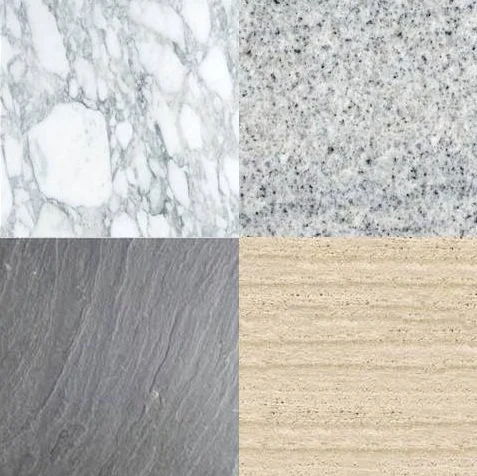
Natural stone is valued for its distinctive appearance and long lifespan. Marble features elegant veining, granite offers exceptional durability, and terrazzo provides timeless character that many modern materials cannot easily replicate.
Professional restoration is designed to preserve these qualities rather than replace them. Through specialized equipment and proven restoration techniques, worn surfaces can often regain their clarity, shine, and smooth finish while maintaining the original character of the stone.
An Environmentally Responsible Choice
Restoring an existing floor can also be a more sustainable solution.
Choosing restoration instead of replacement may reduce construction waste and decrease the demand for new raw materials. By extending the life of an existing floor, property owners can maximize the value of materials that are already installed while helping minimize unnecessary landfill waste.
For organizations that value sustainable building practices, restoration can support both environmental goals and long-term asset management.
When Restoration Is Usually the Better Choice
Professional restoration is often a practical option when:
The stone remains structurally sound.
The floor has scratches, etch marks, stains, or dull areas.
Traffic patterns have reduced the original shine.
Minor chips or uneven sections can be repaired.
The goal is to improve appearance without the expense of replacement.
An experienced restoration contractor can evaluate these conditions and recommend the most appropriate treatment.
When Replacement May Be Necessary
Although restoration is an excellent solution for many floors, replacement may be the better choice in certain situations.
Examples include extensive structural damage, severe foundation movement, widespread broken tiles beyond practical repair, or situations where the flooring material has reached the end of its usable life.
A professional inspection can help determine whether restoration remains a practical investment or whether replacement would provide a better long-term solution.
The Importance of a Professional Assessment
Every floor is different. The type of stone, its age, previous maintenance practices, and the severity of wear all influence the recommended approach.
A professional assessment allows restoration specialists to identify the condition of the surface, explain available options, and recommend the solution that provides the greatest long-term value. Rather than relying on assumptions, property owners can make decisions based on the actual condition of their floors.
Restore Before You Replace
Replacing a natural stone floor is a major investment, but it is not always the only answer.
If your marble, granite, terrazzo, or other natural stone flooring has become dull, scratched, or worn, professional restoration may provide a cost-effective way to renew its appearance while extending its service life. In many cases, restoring an existing floor preserves its beauty, reduces disruption, and helps property owners make the most of their investment.
Before deciding on a complete replacement, consider having your floors professionally evaluated. The right assessment can reveal restoration opportunities that save time, reduce costs, and restore the elegance of your flooring for years to come.
If you're considering restoring your natural stone or concrete floors, Jadecrust Solutions Inc. provides professional floor polishing and surface restoration services tailored to residential, commercial, and institutional properties. Our team can assess your flooring and recommend the solution that best fits its condition and your long-term maintenance goals.
