Polished Concrete Floor Restoration vs. Floor Replacement: Which Option Saves More Money?
When a floor becomes dull, scratched, stained, or worn, property owners often face an important decision: Should the existing floor be restored, or should it be replaced entirely?
The answer depends on the floor's material, current condition, extent of damage, and the results you want to achieve.
For many properties, professional floor restoration can renew the appearance of existing flooring without the expense and disruption associated with complete replacement. However, restoration is not always the appropriate solution. Understanding the differences between these two options can help you make a more informed decision for your property.
What Is Floor Restoration?
Floor restoration is the process of improving the appearance and condition of an existing floor through appropriate cleaning, repair, and surface-refinishing techniques.
Depending on the material and its condition, restoration may involve:
Grinding: Removing surface imperfections and preparing the floor for further treatment.
Honing: Refining the surface to achieve a smoother, more uniform finish.
Polishing: Improving the surface's appearance and sheen where the material and application permit.
Stain Treatment: Addressing suitable stains and discoloration using appropriate methods.
Crack and Chip Repair: Repairing localized damage where practical.
Sealing or Protective Treatment: Applying suitable treatments when appropriate for the flooring material and its intended use.
These methods may be used on natural stone, terrazzo, concrete, and other suitable flooring surfaces.
The objective is to improve the existing floor while preserving as much of the original material as practical.
What Is Floor Replacement?
Floor replacement involves removing the existing flooring and installing a new floor or flooring material.
Depending on the project, this may include:
Removing the existing tiles, stone, or other flooring material.
Disposing of old materials and construction debris.
Inspecting and preparing the underlying surface.
Repairing or leveling the subfloor where necessary.
Purchasing and installing new flooring materials.
Applying the appropriate adhesives, grout, or finishing materials.
Allowing sufficient time for installation materials to cure before the floor is used.
Replacement may be necessary when the existing floor has extensive damage that cannot be repaired effectively or when the property owner wants a substantially different flooring material or design.
Although replacement provides an opportunity to start with new materials, it generally involves more construction work than restoring a suitable existing floor.
Floor Restoration vs. Floor Replacement: What Are the Differences?
Both options can improve a property's flooring, but they differ in cost considerations, project requirements, and the amount of existing material that must be removed.
1. Project Costs
Floor restoration may be more economical when the existing floor is structurally sound and its main problems are surface-related.
Rather than purchasing and installing an entirely new floor, restoration focuses on improving the existing surface. This can reduce the need for new flooring materials, removal work, and associated construction activities.
Replacement, on the other hand, may involve expenses for demolition, waste disposal, subfloor preparation, new materials, installation, and finishing.
However, the actual cost of either option depends on the floor's condition, size, material, accessibility, and the work required. Extensive repairs or complicated restoration requirements can affect the overall cost.
For this reason, comparing the scope of work for both options is more useful than assuming one will always be cheaper.
2. Project Duration and Disruption
Floor replacement can require several stages of construction, including demolition, preparation, installation, and curing.
During this period, portions of a property may be unavailable for normal use.
Restoration may involve fewer construction stages when the existing floor is suitable for treatment. This can be particularly beneficial for commercial properties where prolonged interruptions may affect employees, customers, tenants, or daily operations.
Nevertheless, restoration also requires appropriate preparation, working time, and any necessary curing or drying periods. The actual schedule depends on the floor, treatment method, project size, and site conditions.
3. Appearance and Finish
Worn flooring does not necessarily need to be replaced simply because it has lost its original appearance.
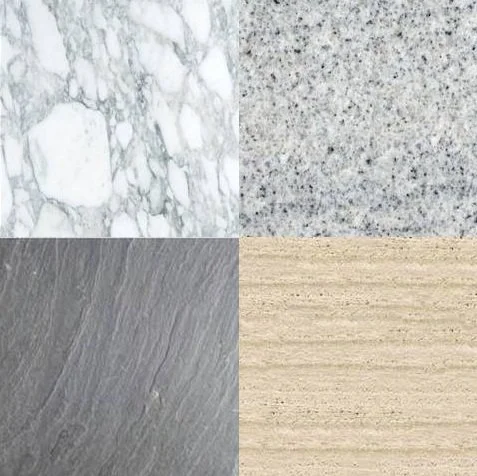
Marble and granite may develop scratches, dull areas, and uneven-looking surfaces. Terrazzo may lose its sheen, while concrete floors may become worn or visibly marked through regular use.
Appropriate restoration techniques can improve the appearance of these surfaces and help reveal the material's natural characteristics.
Replacement may be preferable when a property owner wants a completely different material, color, pattern, or flooring design.
The important consideration is whether the desired result can reasonably be achieved with the existing floor.
4. Material Use and Construction Waste
Restoration makes use of the existing flooring material rather than automatically removing and replacing it.
When the floor is suitable for restoration, this may reduce the amount of discarded material and the demand for new flooring products.
Replacement can generate construction waste from the removal of existing flooring, packaging, and installation materials.
Although the environmental impact of a project depends on several factors, extending the useful life of an existing floor can be a practical consideration when evaluating restoration.
5. Long-Term Value
A floor should not be evaluated solely by its immediate appearance or initial project cost.
Property owners should also consider the condition of the underlying material, the expected service life after treatment, ongoing maintenance requirements, and the likelihood of future repairs.
Restoration may provide good value when it addresses the actual cause of surface deterioration and the floor remains suitable for continued use.
However, restoring a severely damaged floor without addressing underlying structural problems may not be a practical long-term solution.
Replacement may be the better investment when the existing floor can no longer meet the property's functional requirements.
When Is Floor Restoration the Better Option?
Professional restoration may be appropriate when the existing flooring remains in serviceable condition but shows signs of surface deterioration.
Examples include:
Dull or faded surfaces: The floor has lost some of its original appearance or sheen.
Surface scratches: Wear and fine scratches affect the floor's appearance.
Etching on natural stone: Certain substances have affected the finish of acid-sensitive materials such as marble and limestone.
Localized stains or discoloration: Suitable treatment may improve the affected areas.
Uneven-looking wear patterns: Frequently used areas appear different from less-traveled sections.
Minor chips or localized damage: Repairs may be possible without replacing the entire floor.
Restoration is especially worth considering when the flooring material is valuable, difficult to replace, or still performs its intended function.
A professional assessment can help determine which restoration methods are suitable and whether the expected results justify the work.
When Is Floor Replacement Necessary?
Although restoration can address many surface-related problems, some conditions require more extensive intervention.
Replacement may be appropriate when:
The flooring has widespread structural damage.
Severe foundation movement has caused continuing damage.
Numerous tiles or sections are broken beyond practical repair.
Moisture or other underlying problems have compromised the flooring system.
The existing material has reached the end of its useful service life.
The property requires a different flooring material or design that restoration cannot provide.
Even in these situations, the full extent of the damage should be assessed before deciding on the work.
In some cases, localized replacement combined with restoration of the remaining floor may be a practical alternative to replacing the entire surface.
The most suitable approach depends on the condition of the floor and the property's requirements.
How Can You Decide Which Option Is Right for Your Property?
Before committing to restoration or replacement, consider the following questions:
1. What is the actual condition of the floor?
Determine whether the problems are primarily cosmetic or whether they involve structural damage, loose flooring, moisture, or underlying movement.
2. What results do you want to achieve?
If you want to renew the appearance of an existing stone or concrete surface, restoration may be worth considering. If you want a completely different flooring material or design, replacement may be more appropriate.
3. What work will each option require?
Compare the complete scope of work, including surface preparation, repairs, material costs, removal, installation, and any necessary downtime.
4. What maintenance will the floor need afterward?
Every flooring material requires appropriate care. Understanding the maintenance requirements can help you evaluate the long-term practicality of either option.
5. Has the floor been professionally assessed?
An experienced flooring professional can examine the surface, identify visible concerns, and recommend suitable treatment options based on the floor's condition.
A proper assessment helps establish realistic expectations before work begins.
Restore or Replace? Start With the Condition of Your Floor.
Floor restoration and floor replacement serve different purposes. Neither is automatically the better choice for every property.
When an existing floor remains suitable for use, professional restoration may improve its appearance, extend its useful life, and reduce the need for extensive replacement work.
When the flooring has significant structural problems or no longer meets the property's requirements, replacement may be the more practical solution.
The best decision begins with understanding the floor you already have.
At Jadecrust Solutions Inc., we provide professional floor polishing and surface restoration services for residential, commercial, and institutional properties.
Whether your flooring is marble, granite, terrazzo, concrete, or another suitable surface, understanding its condition is an important first step toward determining the appropriate care or restoration approach.
Considering floor restoration for your property? Contact Jadecrust Solutions Inc. to discuss your flooring concerns and explore suitable options.
Jadecrust Solutions Inc. — Floor Polishing & Surface Restoration Services
